
Faith is one of those words we hear all the time.
I’ve said it. You’ve probably said it too: “just have faith,” “keep the faith,” “trust God.” But if we’re honest, there are moments when those words feel a little unclear… even distant.
What does it really mean to have faith?
Is it just believing something is true? A feeling we’re supposed to hold on to?
Or is it something deeper, something that actually shapes how we live?
There have been seasons in my life when faith felt strong and steady. But I’ve also had moments where it felt small, fragile, and even questioned. And in those moments, I realized something important: if I don’t understand what faith truly is, I won’t know how to live it.
Here’s the good news: the Bible doesn’t leave us guessing.
It shows us that faith is not a vague idea or a blind leap in the dark. It is something real, grounded, and holds even when everything else feels uncertain.
In this guide, we’re going to look at what faith really means according to Scripture; where it comes from, what it looks like, and why it matters more than anything else in the Christian life.
Biblical faith is not blind belief or a feeling-based confidence. It is a deep trust in God based on His Word, His character, and His promises. Faith is not powerful because of how strong it is, but because of who it is placed in—Jesus Christ. Even small faith, when placed in a faithful God, is enough to save, sustain, and transform a life.
How the World Defines Faith vs. What the Bible Says
The world defines faith as belief in something without proof. Merriam-Webster describes it as “a firm belief in something for which there is no proof.” By this definition, faith is essentially the courage to believe despite the absence of evidence.
The Bible defines it differently, and far more richly.
“Now faith is the substance of things hoped for, the evidence of things not seen.” — Hebrews 11:1
This single verse does something remarkable: it gives faith both weight and precision. Two words deserve special attention here.
Substance (Greek: hypostasis) means a foundation, a standing under, a real and solid basis. Faith is not a wish. It is a confident assurance resting on something firm.
Evidence (Greek: elenchos) means proof or conviction; the same word used in a legal setting for evidence that compels a verdict. Faith, biblically speaking, is not the absence of evidence. It is conviction based on evidence: the evidence of God’s revealed Word and His demonstrated faithfulness throughout history.
This matters because biblical faith is not irrational. It is not faith despite evidence but faith in response to evidence. Romans 10:17 makes this clear:
“Faith comes from hearing, and hearing through the word of Christ.”
Faith is always born from the Word of God. It is a response to the revelation God has given us in Scripture and supremely in Jesus Christ.
The Two Greek Words Behind “Faith”

A deeper understanding of faith opens up when we look at how the New Testament uses two closely related Greek words.
Pistis (πίστις), usually translated as “faith,” carries the meaning of trust, confidence, and firm reliance. It is not merely intellectual; it involves the will and the whole person. When Paul writes, “The just shall live by faith” (Romans 1:17), the word is pistis, a living, ongoing trust in God.
Pisteuo (πιστεύω), usually translated believe, is the verb form of the same root. When Jesus says, “Believe in me” (John 14:1), He is calling for an active, personal entrusting of oneself to Him.
Together, these words tell us that biblical faith is not passive agreement. It is an active, personal, ongoing reliance on God and His Word.
Two Types of Faith: Not All Faith Is Saving Faith
One of the most important distinctions in Scripture is between head belief — knowing the facts about Jesus and mentally accepting them as true — and saving faith, which goes further into a personal, whole-person trust in Christ.
James 2:19 draws the line sharply: “Even the demons believe, and shudder!” The demons have accurate theology. What they lack is saving trust. As Paul writes in Romans 10:9-10, it is with the heart that one believes and is justified, not merely the mind.
This distinction has eternal consequences, and it deserves a full treatment of its own. For a deeper look at what saving faith really means, see Genuine Faith: The Faith that Saves.
What Faith Is Not
Because the word “faith” is used so loosely today, it helps to name clearly what biblical faith is not.
Faith is Not a Feeling
It does not depend on emotional highs or a sense of God’s nearness. Abraham “did not waver through unbelief” (Romans 4:20) even when his circumstances gave him every reason to doubt. Faith anchors us when feelings shift.
Faith is Not Presumption
Presumption claims God’s promises without submitting to His will. True faith holds God’s promises while trusting His wisdom and timing. The centurion in Matthew 8 is a model here. He believed Christ could heal his servant but came humbly, saying, “Lord, I am not worthy that You should come under my roof. But only speak a word, and my servant will be healed” (Matthew 8:8).
Faith is Not Blind
The world’s caricature of faith is someone closing their eyes and jumping off a cliff. Biblical faith opens its eyes. It looks at the character of God, the testimony of Scripture, the witness of history, and the evidence of His works, and it trusts.
Faith is Not a Formula
Faith is not a spiritual technique for getting what we want. Its power lies not in the faith itself but in its object: God.
Where Faith Comes From
Faith is not something we manufacture. It is a gift.
“For by grace you have been saved through faith. And this is not your own doing; it is the gift of God.” — Ephesians 2:8-9
Both salvation and the faith through which we receive it are gifts of God’s grace. This protects us from two errors: the pride of thinking we earned our salvation, and the despair of thinking our faith isn’t strong enough.
At the same time, faith has a clear human side: it is activated by hearing the Word of God (Romans 10:17). This is why preaching, reading Scripture, and Christian community matter so deeply. They are the ordinary means by which God stirs and strengthens faith in us.
Faith and Works: Inseparable but Distinct
No discussion of faith is complete without addressing the relationship between faith and works. This is an issue that has divided interpreters for centuries, but is actually quite clear when both Paul and James are read on their own terms.
Paul’s emphasis (Romans 3:28, Galatians 2:16): We are justified by faith apart from works of the law. No one earns standing before God through moral performance.
James’ emphasis (James 2:17, 2:26): “Faith without works is dead.” A faith that produces no visible fruit is not genuine faith; it is dead orthodoxy.
These are not contradictions. They address different questions:
- Paul answers: How are we justified before God? Answer: by faith alone.
- James answers: How do we recognize genuine faith? Answer: by its fruit.
Genuine saving faith will always produce works, not as the cause of salvation but as the evidence of it. Abraham’s willingness to offer Isaac did not earn him God’s favor; it demonstrated that his faith was real (James 2:21-22).
A living faith cannot remain invisible. For a fuller look at how Paul and James fit together on this, see What’s the Difference Between Justification by Faith and Faith Plus Works.
The Object of Faith: Why It Matters More Than the Amount

One of the most freeing truths in Scripture is that the power of faith lies not in how much faith we have, but in whom we place it.
Jesus said that faith as small as a mustard seed can move mountains (Matthew 17:20). A tiny faith in an all-powerful God accomplishes more than great confidence in the wrong object.
This is why the centurion’s faith amazed Jesus. He wasn’t a man of extraordinary spiritual pedigree. He was a Gentile soldier. But he understood one thing clearly: Jesus had authority. And that understanding, directed at the right Person, was sufficient for a miracle.
Our faith is only as trustworthy as its object. Placed in Christ, even weak faith connects us to infinite power and grace.
Five Reasons Faith Is Essential to the Christian Life
1️⃣ Faith is the channel of salvation
We are saved by grace through faith (Ephesians 2:8-9). Grace is the source; faith is how we receive it. Without faith, the gift remains unclaimed.
2️⃣ Faith is what pleases God
“Without faith it is impossible to please Him, for whoever would draw near to God must believe that He exists and that He rewards those who seek Him.” — Hebrews 11:6
Not our performance, not our achievements. Faith is the foundation of our relationship with God.
3️⃣ Faith is how we overcome the world
“For everyone who has been born of God overcomes the world. And this is the victory that has overcome the world, our faith.” — 1 John 5:4
The Christian life is not lived in a neutral environment. It is lived in a world that is hostile to God’s values. Faith is the victory that keeps us standing.
4️⃣ Faith sustains us through trials
God never promises His people a trial-free life. What He promises is His presence through trials. “The testing of your faith produces steadfastness” (James 1:3). Trials do not destroy faith; they deepen and refine it when we trust God through them.
5️⃣ Faith connects us to God’s promises
Every promise in Scripture is accessed through faith. The promises of peace (Isaiah 26:3), provision (Philippians 4:19), healing (James 5:14-15), and eternal life (John 3:16) all share a common requirement: that we believe and trust the One who made them.
Faith in Action: The Hall of Faith (Hebrews 11)
No passage in Scripture illustrates the power of faith more vividly than Hebrews 11, often called the Hall of Faith. Its heroes span centuries and circumstances, but they share one defining characteristic: they acted on what they could not yet see.
Noah built an ark when there was no rain in sight (Hebrews 11:7). His faith made him look foolish to his generation and saved his family.
Abraham left his homeland without knowing his destination (Hebrews 11:8). Later, he was willing to offer Isaac, believing God could raise the dead (Hebrews 11:17-19). His faith was credited to him as righteousness (Romans 4:3).
Moses chose suffering with God’s people over the fleeting pleasures of Egypt (Hebrews 11:25-26). He “persevered because he saw him who is invisible” (Hebrews 11:27).
The thread connecting every person in Hebrews 11 is not that life was easy or that God always answered the way they expected. Some “were tortured, not accepting release” (Hebrews 11:35). But they all looked beyond the present moment to the God who is faithful.
Their example is not meant to intimidate us. It is meant to encourage us: this is what faith looks like when it is alive.
What Genuine Faith Looks Like Today

Faith is not confined to dramatic moments or theological declarations. It shows up in the ordinary rhythm of life.
It looks like choosing honesty at work when deception would be easier. It is forgiving someone who hasn’t asked for it or serving quietly without recognition. It is continuing to trust God when the diagnosis is hard, and the prayer seems unanswered.
James 2:15-16 challenges us directly: if we see someone in need and offer only words, our faith is exposed as hollow. Genuine faith acts, loves, sacrifices, and moves.
The question is not whether we use the word “faith,” but whether the faith we claim is alive.
Key Takeaways: What the Bible Teaches About Faith
- Biblical faith is not wishful thinking or blind belief; it is confident trust in God based on His Word.
- The strength of faith is not in its size, but in its object: Jesus Christ.
- Faith comes from hearing the Word of God and is strengthened through Scripture and the Holy Spirit.
- Saving faith is more than mental agreement; it is personal trust that leads to transformation.
- Genuine faith is always active and produces visible fruit in a believer’s life.
- Even weak faith is powerful when placed in a faithful and unchanging God.
Frequently Asked Questions About Faith in the Bible
What is faith according to the Bible?
Faith in the Bible is confident trust in God based on His Word, His promises, and His character. It is not blind belief, but a response to what God has revealed through Scripture and Jesus Christ.
Is faith just believing without evidence?
No. Biblical faith is not belief without evidence. It is trust based on the evidence of God’s Word, His works in history, and His revealed truth in Jesus Christ.
Can weak faith still save?
Yes. Salvation does not depend on the strength of faith but on the object of faith: Jesus Christ. Even small or struggling faith, when placed in Him, is sufficient for salvation.
What is the difference between faith and belief?
Belief can refer to mental agreements with facts. Biblical faith (pistis) goes further; it is trust, reliance, and personal commitment to God.
Where does faith come from?
The Bible teaches that faith comes from hearing the Word of God (Romans 10:17). It is both a gift of grace and something strengthened through Scripture and the work of the Holy Spirit.
Why is faith important in Christianity?
Faith is essential because it is the means by which we receive salvation, walk with God, and live in obedience. Without faith, it is impossible to please God (Hebrews 11:6).
So, What Is Biblical Faith?
Biblical faith is not just knowing about God or just feeling close to Him.
And it is not pretending to be certain when we’re full of doubts.
It is a real, living trust.
A trust rooted in who God is, anchored in what Christ has done, and continues even when life feels uncertain.
And here’s the beautiful truth: faith doesn’t have to be perfect to be real.
Even weak faith, when placed in the right object: Jesus Christ, connects us to His strength, His grace, and His promises.
The question is not whether you’ve heard about faith.
The question is: Are you trusting Him today?
Not just in words, but in your decisions, your struggles, your waiting, your everyday life.
Because biblical faith isn’t just something we define; it’s something we live.
And when it is real, it changes everything about how we live.
Want to go deeper? Explore these related posts:
As an Amazon associate, I may earn a commission at no extra cost to you if you make a purchase through one of these links. I only recommend products or services I trust and personally use. Thank you for supporting Biblical Christianity!
Recommended Resource
If this post helped clarify what biblical faith is, this book will help you grow deeper in living it.
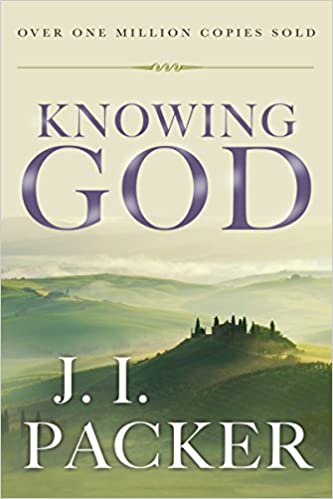
Knowing God by J. I. Packer
Drawing from Packer’s rich theological insight, Knowing God blends deep spiritual truths with practical guidance, helping believers renew their understanding of God’s character and His faithful love.
View on Amazon
Thank you so much. I have received so many answers through your teaching.
It brings me great joy to hear, Zwelihle! I’m so glad this article provided the clarity you were seeking.
What a wonderful, profound teaching on the subject of faith.
I believe, but I also struggled a lot with my faith when looking at verses like “he who believes all things are possible,” “he who has faith cannot be put to shame,” and these verses make me question my faith a lot if I live up to the standard of a believer described by Jesus. This includes verses like the one said by Jesus, “He who believes in me will do what I have been doing, even greater things.”
I always ask myself if I really have faith that allows me to do at least what he did, because greater things? I’m not even close, by the look of things, with my current faith.
Thank you so much for your kind words, Zwelihle. I’m grateful the article encouraged you.
I also appreciate your honesty. I think many sincere believers have wrestled with those same questions. When we read Jesus’ words about faith moving mountains or doing “greater works,” it’s easy to turn our attention inward and wonder, “Do I really have enough faith?”
What has encouraged me is remembering that Scripture consistently points us back to the object of our faith rather than the size of it. Jesus said that faith as small as a mustard seed can move mountains (Matthew 17:20). The emphasis isn’t on having extraordinary faith but on trusting an extraordinary God.
Regarding John 14:12, many faithful Bible teachers understand the “greater works” not as greater miracles than Jesus performed, but as the greater scope of gospel ministry made possible after His death, resurrection, and the coming of the Holy Spirit. Through the spread of the gospel, countless lives have been transformed across the world. That’s something none of the disciples could have imagined before Pentecost.
I also find great comfort in the father’s prayer in Mark 9:24: “I believe; help my unbelief!” Jesus didn’t reject him for having imperfect faith. Instead, He responded with compassion.
The fact that you’re asking these questions isn’t evidence that your faith has failed. It shows that you desire to trust Christ more deeply. Keep bringing those questions to Him, keep spending time in His Word, and remember that our confidence rests not in the perfection of our faith but in the perfect faithfulness of our Savior.
Thank you again for sharing your heart. I’ll be praying that God continues to strengthen and encourage your faith as you walk with Him.
Thank you for this study and clear look at faith today. I was seeking some answers and your biblical response was such a blessing.
I have sent it along to a young man who is seeking.
Praying that he receives the gift.
Ephesians 2:8-9
Thank you so much, Jane.
I’m grateful this study was a blessing to you, and it’s wonderful that you shared it with someone seeking. Praying with you that God’s gift of grace through faith (Ephesians 2:8–9) speaks to his heart.
Dear Alice,
Great Article on FAITH. I really enjoyed it. I am in the process of writing an article on it myself, in which people will understand how to apply FAITH to their own lives and how important it is for salvation.
My goal is to have as many people accept GOD’S gift of salvation as possible.
Hi Dave.
Thank you so much for your thoughtful comment! I’m truly glad to hear that you enjoyed this article. It’s a subject that resonates deeply, and I love that you’re also writing about how we can integrate faith into our daily lives.
Your goal of helping others accept God’s gift of salvation is inspiring! Together, we can spread this message of hope and love. I believe that when we share our experiences and insights, we encourage others to explore their own faith journeys.
Keep up the fantastic work, and let me know if you’d like to exchange ideas or collaborate in any way. I’m excited to see where your writing takes you!
In Christ,
Alice
Dear Alice,
Great article on faith. Run the race, finish the course.
Hi Abe,
Thank you so much for the encouragement! I love that reminder to keep pressing forward. It’s a joy to run this race alongside you.
Much blessings!