

A Relatable Beginning: Why Do We Struggle Even When We Want to Do Good?
You wake up determined to respond with patience.
You pray for wisdom.
You genuinely want to honor God in your words and actions.
Yet before the day is over, frustration surfaces. Pride creeps in. A sharp word slips out. A familiar temptation reappears.
Most Christians recognize this tension.
You love God.
You desire to obey Him.
And still, the struggle with sin remains.
The apostle Paul described this inner conflict with striking honesty.
“For I do not do the good I want, but the evil I do not want is what I keep on doing” (Romans 7:19, ESV).
This experience raises an important theological question.
Why does sin remain such a persistent reality, even for those who belong to Christ?
The doctrine of original sin offers a biblical answer.
It explains the condition of humanity, the reason salvation is necessary, and the depth of God’s grace.
In a culture that often minimizes sin or explains it only in terms of environment or personal trauma, revisiting this doctrine matters deeply. Understanding original sin helps believers make sense of human brokenness, the message of the gospel, and the redemptive work of Jesus Christ.
What Is Original Sin in Christianity?

The question, what is original sin in Christianity, takes us back to the opening chapters of Scripture.
Original sin refers to the fallen condition inherited by all human beings as a result of Adam’s disobedience in the Garden of Eden. It does not teach that people are personally guilty of Adam’s specific act. Rather, it teaches that humanity now shares a corrupted nature and a broken relationship with God.
Genesis 3 records the moment sin entered the world. Adam and Eve rebelled against God’s command, choosing autonomy over obedience. The consequences were immediate and far-reaching. Spiritual death entered human experience, fellowship with God was fractured, and suffering spread throughout creation.
The apostle Paul explains this reality clearly.
“Therefore, just as sin came into the world through one man, and death through sin, and so death spread to all men because all sinned” (Romans 5:12, ESV).
Sin is not merely learned behavior or bad influence. Scripture presents it as a condition passed down through humanity.
David acknowledges this truth in Psalm 51:5.
“Behold, I was brought forth in iniquity, and in sin did my mother conceive me.”
Original sin affects every aspect of human nature. Our minds, wills, emotions, and desires all bear the marks of the fall. This does not erase human value. Scripture affirms that people are still created in the image of God (Genesis 1:27). Yet that image has been damaged by sin and requires redemption.
Exploring Original Sin in Contemporary Faith
Exploring original sin in contemporary faith can feel uncomfortable for many believers.
Modern culture often resists the idea that humans are sinful by nature. Many prefer to believe people are morally neutral or inherently good. Sin is frequently explained as the product of social systems, upbringing, or emotional wounds. Scripture does acknowledge the influence of the world and the effects of suffering. At the same time, it points to a deeper issue within the human heart.
Jesus addressed this directly.
“For out of the heart come evil thoughts, murder, adultery, sexual immorality, theft, false witness, slander” (Matthew 15:19, ESV).
The problem is not only external.
It is internal.
This truth shapes how believers understand spiritual growth. Recognizing original sin guards against self-righteousness and spiritual pride. It reminds us that salvation is never the result of effort, discipline, or moral improvement.
Original sin also explains why genuine Christians continue to struggle with sin. Regeneration brings new life, yet the presence of a fallen nature remains until glorification. The apostle John speaks honestly to believers when he writes, “If we say we have no sin, we deceive ourselves, and the truth is not in us” (1 John 1:8, ESV).
When contemporary Christians understand original sin rightly, they are drawn toward humility, repentance, and daily dependence on God’s grace.
Understanding Original Sin in Modern Theology

Understanding original sin in modern theology requires both clarity and balance. This doctrine has been discussed throughout church history, often with intense debate.
Augustine emphasized humanity’s complete dependence on grace, teaching that fallen humans cannot choose God apart from divine intervention. Pelagius, by contrast, argued that people could obey God without the necessity of grace. The early church rejected Pelagianism as inconsistent with Scripture.
The Protestant Reformers strongly affirmed the doctrine of original sin. Martin Luther and John Calvin taught that sin affects every part of human nature, a view often described as total depravity. This teaching does not suggest that humans are as evil as possible. It means that sin touches every aspect of who we are.
Some modern theological approaches attempt to soften this doctrine by redefining original sin as a collective pattern of wrongdoing rather than an inherited condition. Scripture, however, consistently affirms the seriousness of humanity’s spiritual state.
Ephesians 2:1 states, “And you were dead in the trespasses and sins.”
Spiritual death reflects an inability to restore oneself to God. This reality explains why Jesus told Nicodemus, “You must be born again” (John 3:7, ESV). New birth is necessary because fallen humanity cannot heal itself. Spiritual life comes only through the work of the Holy Spirit.
The Theological Implications of Original Sin

The theological implications of original sin reach into nearly every major Christian doctrine.
1️⃣ The Necessity of Grace
If humanity is fallen by nature, salvation must be an act of grace. Scripture leaves no room for human boasting.
Ephesians 2:8–9 declares,
“For by grace you have been saved through faith. And this is not your own doing; it is the gift of God.”
Original sin strips away confidence in self-salvation and points fully to God’s mercy. Redemption is God’s work from beginning to end.
2️⃣ Christ as the Second Adam
Paul contrasts Adam and Christ in Romans 5:18–19.
“Therefore, as one trespass led to condemnation for all men, so one act of righteousness leads to justification and life for all men.”
Adam’s disobedience brought sin and death. Christ’s obedience brings righteousness and life. Understanding original sin highlights the significance of Jesus as Redeemer. The cross addresses individual sins and the root condition of fallen humanity.
3️⃣ Human Accountability
Original sin does not eliminate personal responsibility. Scripture consistently teaches that individuals are accountable for their actions.
“For all have sinned and fall short of the glory of God” (Romans 3:23).
We sin because we are sinners by nature, yet we still make real choices. This truth preserves biblical balance. It avoids despair while affirming the call to repentance and faith.
4️⃣ The Hope of Sanctification
Although original sin remains present, it no longer rules over believers. Romans 6:6 teaches that the old self was crucified with Christ.
Sanctification is the ongoing work of God in the life of the believer. The struggle against sin continues, yet growth in holiness is real and promised through the power of the Holy Spirit.
Key Takeaways on Original Sin
- Original sin explains the universal presence of sin and suffering.
- Humanity inherits a fallen nature through Adam’s disobedience.
- Scripture affirms the depth of human brokenness.
- Salvation depends entirely on God’s grace through Jesus Christ.
- Understanding original sin leads to humility and gratitude for redemption.
Why This Doctrine Still Matters Today
Some may question whether original sin remains relevant in modern Christianity. Scripture answers clearly.
This doctrine shapes how believers view themselves and others. It encourages compassion rather than judgment and reminds Christians that everyone stands in need of grace.
It also protects the gospel from becoming moral advice or self-help teaching. Christianity proclaims spiritual resurrection, not personal improvement.
When original sin is ignored, the cross loses its meaning.
When original sin is understood, Christ’s sacrifice becomes central.
Conclusion: From Fall to Redemption
The story of Scripture begins with a fall and moves toward restoration.
Original sin explains why the world is broken. The gospel reveals how God redeems what was lost.
Through Adam, sin entered the world. Through Christ, salvation is offered to all who believe.
Paul declares this hope in 1 Corinthians 15:22.
“For as in Adam all die, so also in Christ shall all be made alive.”
Understanding the doctrine of original sin leads believers toward deeper worship. It cultivates humility, gratitude, and awe at the mercy of God.
Encouraging Call to Action
Take time this week to reflect on the grace you have received.
Read Romans 5 slowly and prayerfully.
Thank God for the gift of salvation through Jesus Christ.
If this article encouraged you, consider sharing it with a friend or small group. Explore other theology-based resources on this site to deepen your understanding of Scripture and grow in faith.
Grace is greater than the fall.
The gospel remains our greatest hope.
This post contains affiliate links, which means I may earn a commission at no extra cost to you if you make a purchase through one of these links. I only recommend products or services I trust and personally use. Thank you for supporting Biblical Christianity!
Recommended Resource
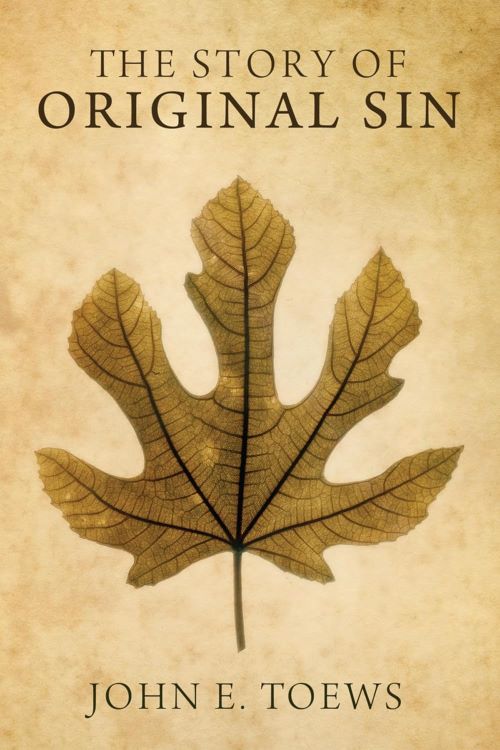
For those looking to dive deeper into the doctrine of original sin and its impact on Christian faith, this book is a clear and accessible guide. It traces the biblical roots of sin, explains why it matters today, and points readers to the hope and redemption found in Christ.
|
The Story of Original Sin
By John Toews The Story of Original Sin explores the biblical roots and theological development of the doctrine of original sin, helping readers understand how the fall shapes Christian theology and the need for redemption. Written in a clear and accessible style, this book connects Scripture, church history, and doctrine to show why original sin still matters for faith and discipleship today. |
Hello, Alice.
Thank you very much for your post.
This really helped me to understand Original Sin. I heard about it, read different points of view regarding it, and often walked away confused about it. Thanks to your post here, I do not feel confused anymore.
I was not raised Christian, although I had influences of it around me, sometimes appearing as superstitions, condemning others, etc. I grew up with a non-practicing Roman Catholic mom and non-practicing Protestant dad and was surrounded in my early years by beliefs like Santeria, New Age, and New Thought beliefs and practices.
Being much older now, I still see how sometimes that influences my understanding of teachings such as Original Sin, etc. I thank God and you for sharing His Word and Truth.
God bless you!
Hi Teal,
Thank you so much for taking the time to share this. Your comment truly encouraged my heart.
I am especially grateful to hear that the article helped bring clarity rather than confusion. Doctrines like original sin can feel overwhelming, especially when we have heard many different interpretations over the years. The fact that you walked away with a greater understanding is a blessing.
I also appreciate your honesty about your background. Growing up around a mix of beliefs can shape the way we initially process Christian teaching. It takes humility and courage to recognize how those early influences still affect our understanding. That kind of awareness is actually evidence of spiritual growth.
One of the beautiful things about Scripture is that God is patient with us as we learn. He does not expect us to untangle everything overnight. He gently renews our minds through His Word. As Paul writes in Romans 12:2, transformation comes through that renewing process. It is something the Lord continues to do in all of us.
I am thankful that, even with the mixture of influences around you growing up, God was still at work drawing you to Himself. He is faithful. And when we approach His Word with a sincere desire to know the truth, He is gracious to give understanding.
Please know that you are not alone in working through doctrines that once felt confusing. Many believers have had to unlearn certain ideas before fully embracing what Scripture teaches. The good news is that God’s truth stands firm, and His grace covers every step of our journey.
Thank you again for your kind words and encouragement. May the Lord continue to deepen your understanding, strengthen your faith, and fill you with the assurance of His love.
God bless you, Teal.