
For years, I thought the Psalms belonged to worship leaders. I figured they were a resource for picking the right lyrics for Sunday morning, songs of praise dressed up as scripture. I read them the way you’d skim a hymnal, looking for a good line about God’s greatness, then moving on to “real” study in Romans or John.
I was wrong, and I’m grateful I found that out.
The Psalms are not just worship material. They are 150 honest conversations with God, written by people who were angry, afraid, joyful, guilty, and grateful, sometimes all in the same chapter. As Psalm 62:8 invites us:
“Trust in him at all times, O people; pour out your heart before him; God is a refuge for us.”
When I started reading them as my own prayers instead of someone else’s lyrics, my devotional life changed. I stopped performing my faith and started bringing my actual life to God.
That shift is what this post is about. Psalms have shaped the spiritual life of God’s people for thousands of years, used in temple worship, personal lament, and everyday prayer long before anyone called them “worship music.” They cover the full range of human experience: grief, doubt, celebration, fear, trust, and hope.
Bringing Psalms into your daily devotional gives you a few real benefits. You get language for feelings you didn’t know how to pray about. You get a model for honest conversation with God. And you get a built-in rhythm of praise that keeps your prayer life from going flat. If you’ve never used Psalms outside of a worship setting, this is your invitation to start.
How to Choose the Right Psalm for Your Devotional Time
Not every Psalm fits every season. Knowing the basic categories helps you pick one that actually speaks to where you are.
Psalms of Gratitude
Thank God for who He is and what He’s done. Psalm 100 and Psalm 136 are good starting points when you want to shift your focus toward thankfulness.
Psalms of Lament
This gives voice to pain, confusion, and even frustration with God. Psalm 13 and Psalm 42 are honest, unfiltered prayers for hard days. These are the Psalms I wish I had known about sooner. They gave me permission to bring my real emotions to God instead of editing them out.
Psalms of Praise
Celebrate God’s character and power. Psalm 8 and Psalm 145 work well when you want to start your day focused on who God is rather than on your to-do list.
Psalms of wisdom
This offers guidance for living well. Psalm 1 and Psalm 119 are rich sources for reflecting on God’s word and making good choices.
When choosing a Psalm, start with how you actually feel, not how you think you should feel. Anxious about a decision? Psalm 25 asks God for direction. Grieving a loss? Psalm 34 speaks to the brokenhearted. Overwhelmed with thankfulness? Psalm 103 gives language for that too.
There isn’t a perfect Psalm for every day. Instead, choose one that helps you bring your heart honestly before God.
Practical Ways to Use Psalms in Your Daily Devotional
Knowing which Psalm to read is only half the picture. The other half is building a rhythm that actually sticks.
Morning Meditation
Read one Psalm before you check your phone. Sit with a single verse for a few minutes and let it set the tone for your day. Psalm 5:3 talks about bringing requests to God in the morning and waiting expectantly, and that pattern still works.
Prayer Walks
Take a short walk and pray through a Psalm phrase by phrase. Psalm 23 works especially well outdoors, since the imagery of green pastures and quiet waters becomes easier to picture when you’re actually moving through creation.
Scripture Journaling
Write out a Psalm by hand, then journal your own version underneath it. Turn “The Lord is my shepherd” into your own words about how God has led you this week. This practice slows you down enough to actually absorb the text instead of skimming it.
Psalms also work well in the community. Many families read a Psalm together at dinner or bedtime. Some small groups pray through a Psalm out loud, taking turns reading verses. Churches have used Psalms in corporate worship for centuries, and that communal reading still carries weight today.
One reader shared that reading Psalm 91 aloud with her family during a difficult season gave her kids language for fear and trust they didn’t have before. That’s the kind of transformation that happens when Psalms move from the page into daily life.
Common Challenges When Using Psalms in Devotionals (and How to Overcome Them)
Even with good intentions, a few obstacles tend to show up.
Time Constraints
You don’t need thirty minutes. A single Psalm, or even a few verses, is enough to anchor a devotional. Consistency matters more than length.
Lack of Understanding
Some Psalms use imagery and history that isn’t familiar today, references to Zion, enemies, or ancient worship practices. Good resources include a study Bible with notes on the Psalms, a trusted commentary that explains historical context, and a structured reading plan that keeps you moving through different types of Psalms.
Keeping Engagement
Reading the same kind of Psalm every day can start to feel repetitive. Mixing categories, praise one day, lament the next, wisdom after that, keeps the practice fresh and helps you experience the full range of what Psalms offer.
If you want to go deeper, a few tools help. A study Bible with Psalm-specific notes gives quick context. Commentaries by trusted authors unpack the historical background. Reading plans built specifically around the Psalms, many available free online, provide structure if you tend to lose momentum on your own.
One man who struggled to stay consistent in his devotional life said switching to a 30-day Psalm reading plan finally gave him something sustainable. He didn’t need a longer devotional. He needed a simpler one. That’s often the real fix: not more information, but a rhythm you can actually keep.
FAQs About Using Psalms in Daily Devotionals
How often should Psalms be read in a devotional practice?
There’s no required frequency. Many people read one Psalm a day, which lets you cycle through all 150 in about five months. Others read a Psalm a few times a week alongside other Scripture. What matters most is consistency, not a specific number.
Can Psalms be used in conjunction with other scriptures?
Yes, and this is one of the best ways to use them. Pair a Psalm with a New Testament passage for balance, or use a Psalm as an emotional entry point before studying a doctrinal passage. Psalms work well as a companion to almost any reading plan.
How can I make the Psalms feel more relevant to my life?
Read them as prayers, not poetry. Insert your own circumstances into the language. When David writes about enemies, think about what’s currently attacking your peace, whether that’s anxiety, a difficult relationship, or fear about the future. The Psalms were written to be personalized.
How can I engage children or beginners with Psalms?
Start with short, image-rich Psalms like Psalm 23 or Psalm 100. Ask simple questions: What is this Psalm asking God for? How does the writer feel? Reading a Psalm aloud together and discussing one verse is often more effective than assigning a full chapter to read alone.
Key Takeaway
Psalms are not reserved for worship leaders or Sunday mornings. They are honest, adaptable prayers meant for daily life, covering everything from grief to gratitude. Choosing a Psalm that matches your current season, building a simple daily rhythm, and using available tools to understand context can turn Psalms into one of the most personal parts of your devotional life.
Start Your Psalm-Based Devotional Today

Looking back, I’m thankful I stopped treating the Psalms like a songbook and started treating them like a conversation. They taught me how to bring my real emotions to God instead of a polished version of myself. They gave me words when I had none, and rhythm when my prayer life had gone quiet.
That’s the gift the Psalms offer anyone willing to open them outside of a worship setting. They meet you in grief, in joy, in confusion, and in praise, exactly as you are.
Jesus Himself prayed the Psalms throughout His earthly ministry, including from the cross. Following His example reminds us that these ancient prayers continue to shape the lives of God’s people today.
If you’ve never used Psalms as part of your daily devotional, start today. Pick one Psalm that matches how you feel right now, read it slowly, and let it become your prayer. You may find, like I did, that it becomes one of the most honest parts of your walk with God.
This post contains affiliate links, which means I may earn a commission at no extra cost to you if you make a purchase through one of these links. I only recommend products or services I trust and personally use. Thank you for supporting Biblical Christianity!
Recommended Resource
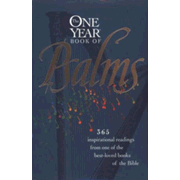
The One Year Book of Psalms is a wonderful companion for anyone who wants to make the Psalms a meaningful part of their daily walk with God.
|
The One Year Book of Psalms
By William J. Petersen Make the Psalms a meaningful part of your daily devotional with this year-long devotional guide. Each day’s reading combines a portion of the Psalms with thoughtful reflections, cross-references, and practical insights to help you grow closer to God. Whether you’re new to praying the Psalms or want to deepen your time with the Lord, this resource provides an encouraging, structured way to experience the richness of God’s Word every day. |