

Prayer is central to the Christian life. Yet many believers struggle to stay consistent. A desire to pray often exists, but follow-through feels difficult.
A consistent prayer life does not happen by accident. It is formed through intentional choices, biblical understanding, and reliance on God’s grace. Scripture shows that prayer is not reserved for spiritual elites. Every believer is invited to commune with God daily (1 Thessalonians 5:16–18).
This guide will help you understand why prayer consistency is hard. It will also show you how to develop biblical diligence in prayer. These principles are practical, Scripture-based, and sustainable.
Why It’s Hard to Maintain a Daily Prayer Life
Many Christians feel frustrated with their prayer life. The struggle is common and deeply human. Scripture acknowledges this tension (Romans 7:15).
Life is full of competing demands. Work, family, ministry, and responsibilities pull attention in many directions. Prayer often feels urgent but not immediate.
Distractions also play a major role. Phones, notifications, and constant noise make stillness difficult. Quiet moments with God require intentional effort (Psalm 46:10).
Spiritual dryness can weaken consistency. When prayers feel unanswered, motivation declines. Faithfulness may feel pointless during long seasons of waiting (Isaiah 40:31).
Guilt becomes another barrier. Missed days lead to shame. Shame creates avoidance rather than repentance (1 John 1:9).
The enemy also resists prayer. Scripture reminds us that prayer is spiritual work (Ephesians 6:18). Anything that weakens prayer weakens dependence on God.
Understanding these challenges matters. Awareness brings freedom. Struggle does not mean failure. It signals the need for grace and structure.
How to Build a Prayer Routine That Lasts

A lasting prayer routine begins with realistic expectations. Scripture never commands long or elaborate prayers. It emphasizes faithfulness and sincerity (Matthew 6:5–6).
Jesus modeled simple prayer habits. He prayed early, often, and privately. His consistency came from a relationship, not pressure (Mark 1:35).
1️⃣ Choose a time that fits your season
Morning works well for many believers. Others find quiet moments at night. Consistency is more important than the exact hour (Psalm 5:3).
2️⃣ Select a place that minimizes distractions
A chair, a corner, or a quiet room is enough. Habits matter more than the atmosphere. Jesus often withdrew to solitary places to pray (Luke 5:16).
3️⃣ Start small
Ten focused minutes matter more than an hour of distraction. Faithfulness grows through manageable commitments. Small steps lead to lasting habits (Luke 16:10).
4️⃣ Anchor prayer to an existing habit
Prayer after waking or before Scripture reading works well. Habits grow when attached to daily rhythms. This can help maintain consistency over months and years (Deuteronomy 6:6–7).
5️⃣ Use Scripture to guide prayer
God’s Word shapes desires and keeps prayer grounded. It also helps when words feel hard to find (Psalm 119:105).
A prayer routine lasts when it rests on grace. Missed days will happen. Return without guilt. God welcomes willing hearts (Matthew 11:28–30).
Daily Prayer Life Tips for Beginners
Beginning a daily prayer life can feel intimidating. Many believers worry about saying the wrong things. Scripture reassures us that God hears sincere hearts (Hebrews 4:16).
1️⃣ Start with praise
Thank God for who He is. Gratitude shifts focus from self to God. Praise anchors prayer in God’s goodness (Psalm 100:4).
2️⃣ Confess honestly
God already knows the heart. Confession restores fellowship and humility (1 John 1:9).
3️⃣ Ask boldly
Scripture encourages believers to bring needs before God (Matthew 7:7–8). Dependence honors Him.
4️⃣ Pray Scripture aloud
Psalms are especially helpful. They teach language for joy, sorrow, and trust (Psalm 23, Psalm 51).
5️⃣ Keep a simple prayer list
Write names and needs. This helps maintain focus and consistency. It also encourages long-term intercession (Colossians 1:9).
6️⃣ Use written prayers if needed
Many faithful believers have done so throughout history. Structure can support growth (Habakkuk 2:2).
7️⃣ End with surrender
Trust God with outcomes. Prayer aligns hearts with His will (Romans 12:1–2).
Beginners grow through repetition and patience. Confidence develops over time. Faithfulness matters more than fluency.
Strategies for Developing Consistent Prayer Habits
Consistency grows through intentional strategies. Scripture encourages discipline paired with dependence (1 Corinthians 9:27).
1️⃣ Set a clear goal
Decide when and where prayer will happen. Clarity removes decision fatigue. Goals focus attention and energy (Proverbs 16:3).
2️⃣ Remove obstacles ahead of time
Silence notifications. Prepare Scripture or prayer lists early. Planning reduces frustration and strengthens habit (Proverbs 24:27).
3️⃣ Track progress gently
A simple checkmark builds awareness. Avoid turning tracking into pressure. Celebrate small victories (Philippians 3:13–14).
4️⃣ Use accountability wisely
Share goals with a trusted believer. Encouragement strengthens perseverance (Ecclesiastes 4:9–10).
5️⃣ Vary prayer formats when needed
Use intercession, Scripture prayer, journaling, or silence. Variety prevents stagnation and deepens engagement (Psalm 62:8).
6️⃣ Study biblical examples
Daniel prayed despite opposition (Daniel 6:10). Jesus prayed despite exhaustion (Mark 14:32–39). Faithfulness often requires sacrifice.
7️⃣ Expect resistance
Spiritual disciplines face opposition. Perseverance deepens faith (James 1:2–4).
Consistency forms over time. Habits mature through grace and repetition. God honors steady obedience.
How to Overcome Distractions During Prayer Time

Distractions are one of the greatest obstacles to prayer. The mind often wanders quickly. This does not mean prayer has failed (Psalm 119:15).
1️⃣ Begin with stillness
Take a few slow breaths. Invite God’s presence intentionally (Psalm 46:10).
2️⃣ Pray aloud if helpful
Spoken words engage focus. This reduces mental drifting. Jesus spoke prayers aloud when possible (John 11:41).
3️⃣ Write prayers when thoughts scatter
Writing slows the mind. It also creates clarity. Journaling helps sustain prayer over time (Habakkuk 2:2).
4️⃣ Use Scripture as an anchor
Read a verse and respond in prayer. God’s Word centers attention and faith (Psalm 119:11).
5️⃣ Accept interruptions with grace
Parents and caregivers face unique challenges. God understands seasons (Psalm 127:3).
6️⃣ Refocus gently when distracted
Do not quit. Redirect attention back to God. Practice strengthens focus (2 Timothy 2:15).
Distractions decrease with practice. Patience is essential. God values persistence over perfection.
How to Pray for Others Consistently

Intercessory prayer reflects Christlike love. Scripture calls believers to pray for one another regularly (1 Timothy 2:1–2).
1️⃣ Begin with a short list
Include family, church leaders, and close friends. Keep it manageable. Focus encourages sustained prayer (Ephesians 6:18).
2️⃣ Assign days to specific people
This creates rhythm and balance. It prevents overwhelm. Steady intercession strengthens the community (Galatians 6:2).
3️⃣ Pray Scripture over others
God’s promises bring confidence. Scripture aligns prayers with His will (Jeremiah 29:11).
4️⃣ Record prayer requests and updates
This builds faith through remembrance. God’s faithfulness becomes visible (Psalm 77:11–12).
5️⃣ Pray beyond immediate needs
Ask for spiritual growth and wisdom. Eternal matters carry lasting value (Colossians 1:9–10).
Consistency grows through compassion. Love fuels perseverance. Intercession draws hearts outward.
Faithful intercession strengthens the church. God uses prayer to sustain His people.
Benefits of Daily Prayer According to Scripture
Scripture reveals many benefits of consistent prayer. These benefits strengthen faith and character (Philippians 4:6–7).
1️⃣ Prayer deepens relationship with God
James calls believers to draw near. God responds with closeness (James 4:8).
2️⃣ Prayer produces peace
Philippians teaches that prayer guards hearts and minds. Anxiety loses control (Philippians 4:6–7).
3️⃣ Prayer increases wisdom
James promises wisdom to those who ask. God delights in guiding His children (James 1:5).
4️⃣ Prayer strengthens perseverance
Dependence builds endurance. Faith grows during waiting (Romans 5:3–4).
5️⃣ Prayer aligns hearts with God’s will
Desires mature through surrender. Obedience becomes joyful (1 John 5:14–15).
6️⃣ Prayer cultivates gratitude
Thanksgiving shapes perspective. Contentment follows trust (Colossians 3:15–17).
7️⃣ Daily prayer transforms believers over time
Faith matures through communion with God (2 Peter 3:18).
Strengthening Your Prayer Journey
A consistent prayer life is possible. It grows through grace, intentional structure, and perseverance. Scripture encourages us to “pray without ceasing, give thanks in all circumstances” (1 Thessalonians 5:16–18).
Prayer is not about perfection. It is about faithfulness. God honors hearts that return to Him daily.
Small steps lead to lasting habits. Consistency develops through patience and trust. God strengthens and equips us for every season (Philippians 4:13).
Key Takeaway
A consistent prayer life is developed through grace-filled discipline, intentional habits, and daily dependence on God. Small, faithful steps compound over time, deepening your relationship with Him.
Reflection
Where does prayer currently fit into your daily rhythm?
What one small change could help you seek God more consistently this week?
Gentle Call to Action
To grow further in your prayer life, explore my posts on effective prayer and the power of God in prayer. These resources provide practical guidance and encouragement as you strengthen your daily communion with God.
This post contains affiliate links, which means I may earn a commission at no extra cost to you if you make a purchase through one of these links. I only recommend products or services I trust and personally use. Thank you for supporting Biblical Christianity!
Recommended Resource
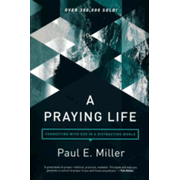
|
A Praying Life: Connecting with God in a Distracting World (2nd Edition)
By Paul E. Miller Many believers struggle to pray consistently in the midst of busy, distracting lives. Paul Miller offers practical, grace-filled guidance for developing a dependent, childlike prayer life rooted in everyday moments. This book addresses prayer struggles honestly, including unanswered prayer, discouragement, and weakness, while pointing readers back to trust, humility, and perseverance before God. |